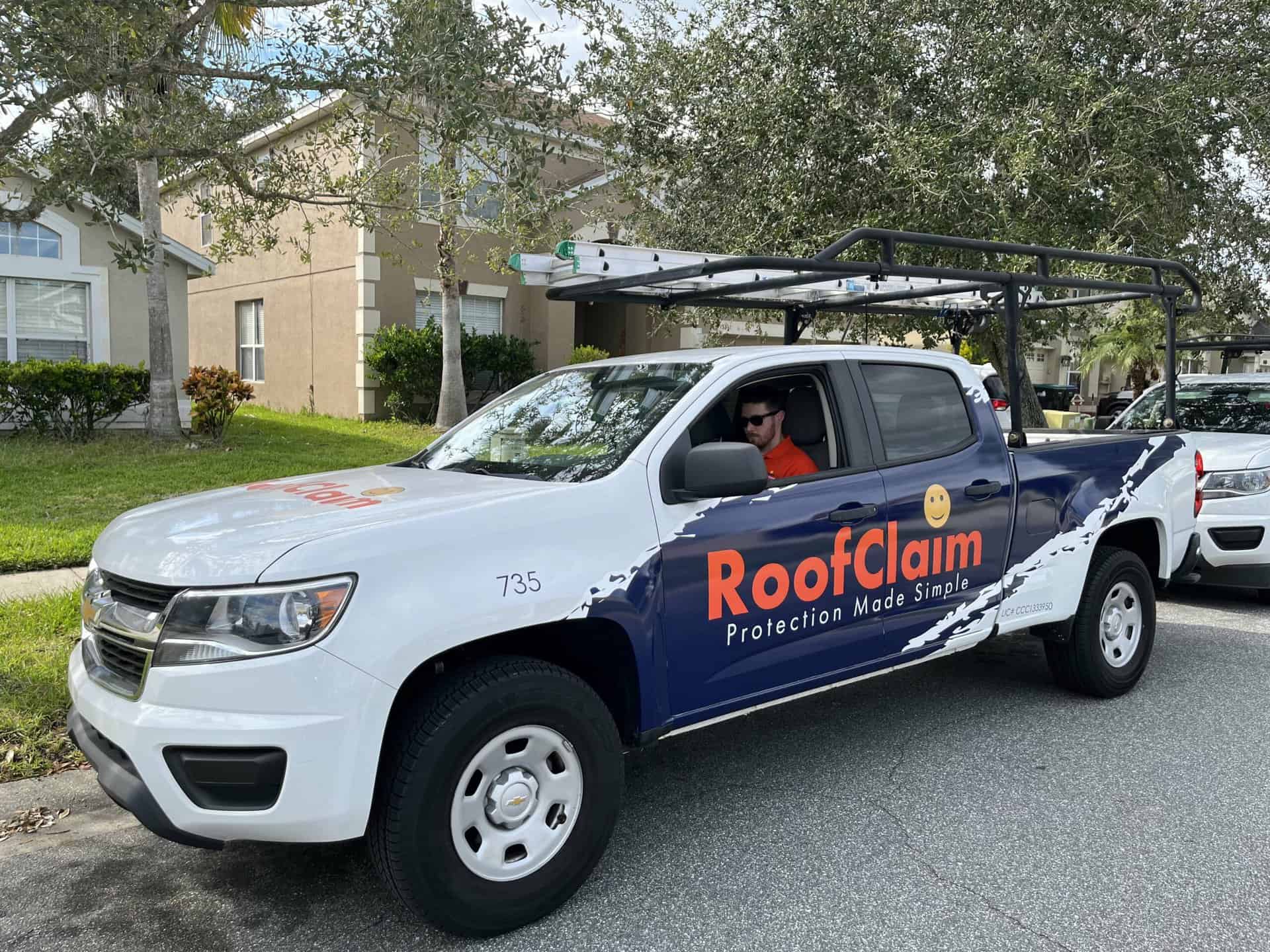
Roofing Scams to Avoid in 2026 — How to Protect Yourself
Every year, thousands of homeowners are targeted by roofing scams—especially after major storms. Scammers use deceptive tactics, pressure sales, fake contracts, and illegal insurance schemes to take advantage of vulnerable homeowners.
This guide teaches you exactly how to identify roofing scams and how RoofClaim keeps homeowners safe.
How to Spot a Roofing Scam Immediately or How can I identify if a roofing company is legitimate?
Look out for:
- No proof of license
- No proof of insurance
- No physical office location
- Only wants cash
- High-pressure sales tactics
- No references or real reviews
- Won’t put anything in writing
If it feels off → it usually is.
The Most Common Roofing Scams in 2026
1. Storm Chasers
These out-of-state crews knock on doors after storms. They take deposits → leave town → never return.
2. “Free Roof” Insurance Scam
No roofer can legally promise a free roof. This is insurance fraud.
3. Fake Insurance Assistance
Scammers pretend they spoke to your insurer. They have not.
4. Unlicensed Contractors
They disappear before warranty work. If they get injured → you are liable.
5. Low-Bid Scams
Cheap price upfront. Cheap materials, unskilled labor, no warranty.
What to Do If Approached by a Suspicious Roofer / What should I do if I suspect a roofing scam?
- Ask for license & insurance
- Photograph their truck
- Do not sign anything
- Do not give any money
- Contact RoofClaim® for a verified inspection
How to Find a Reputable Contractor
With so much contractor fraud in the construction industry, it may seem like an overwhelming task to find a contractor you can actually trust, but there are steps you can take to protect yourself and find the best contractor for the job.
One of our missions at RoofClaim is to connect people with roofing contractors that homeowners can trust with their roofing repairs, and so we vet all of the professionals in our network to ensure that we can recommend them without reservations.
We know that the process of finding and vetting a contractor will involve some legwork on a homeowner’s end, but working with a contractor you can trust is well worth it in the end. Follow these tips to avoid being ripped off by roofers:
- Look for a contractor who owns or works with a long-established company.
- Check with local trade organizations for leads on a reputable company.
- Ask your friends and neighbors for recommendations.
- Be sure to find a contractor that specializes in the work you need done for the best outcome.
Once you have narrowed down your selection of contractors, make sure to do a thorough vetting of any contractor you’re considering. You can find a list of the necessary steps to take when vetting a contractor below.
Steps to Take When Vetting a Contractor
- Check public reviews such as "Google".
- Ask for material supplier references; reputable contractors tend to work with their suppliers for a long time. A contractor-supplier relationship that is only a few months old could be a red flag.
- Contact their references, and ask to inspect the contractor’s work if possible.
- Find the licensing requirements for your area and do a contractor license check to make sure the contractor’s license is current. Look through the general contractor license requirements by state to see what sort of license a general contractor in your state would need to legally perform the work.
- Also check with your local business licensing office to make sure that their license is valid and they’re not using another contractor’s number; this is a common scam some contractors have been known to pull.
- Do a thorough search for complaints against the business through places like the BBB, local or nearby community boards, or an online search of the contractor and their business name.
How to Protect Yourself From Roof Contractor Scams During the Project
Now that you’ve taken all of the right steps to find and vet a reputable contractor, don’t let your guard down just yet. This process isn’t a 100% guarantee that you won’t fall victim to a contractor scam, but taking these necessary steps can greatly lessen that chance.
Contractor scams can still occur while the remodel or home repair is taking place, but you can better protect yourself while the project is ongoing by following these tips:
- It’s important to meet or talk with your contractor daily to keep up to date on the project’s progress, any issues they ran into that day, or anything else that may arise with the project.
- Be sure to secure your valuables in a safe spot before the project begins so they cannot be taken or damaged during the project.
- Keep a daily log of everything that happens on the project site: what was completed, any issues, everyone who worked on-site that day, the weather, etc.
- If the contractor increases the price of the project while it’s already underway, do not pay more than what was agreed upon in the contract.
- If you discover an issue with the project, first, take pictures to document the problem before discussing it with the contractor. This way, they cannot cover the issue and deny that it happened.
- If the contractor blames any structural damage they come across on an outside factor, such as termites or a beam missing, get a second opinion on the cause of the damage before agreeing to any additional work or costs.
- Get all changes to the project in writing using a change order form.
After the Contractor Has Completed the Project
The project is now complete, and you’re safe from being scammed by your contractor, right? Not quite. There are still some steps a homeowner will need to take to fully protect themselves once the work has been completed by the contractor.
- Check that all of the items on your project punch list have been done.
- Do a final inspection of your own, and consider hiring an independent inspector to check over the contractor’s work.
- Make sure to have all inspections approved.
- Get written approval from the architect that the work was done correctly.
- Make sure to have written warranties for materials and workmanship.
- Sign all lien waivers or lien releases.
- Get proof that all subcontractors and suppliers were paid by the contractor.
- Make sure that the job site is clean and clear of any excess tools, equipment, or materials.
- Get a final payment affidavit from the contractor.
It is our hope that RoofClaim’s scam avoidance guide will be able to help you through the process of finding, vetting, and working with a contractor you can trust during your next home repair or remodeling project.
How RoofClaim Protects Homeowners
- Licensed, vetted contractors
- Verified insurance
- Local project managers
- Million-Dollar Guarantee
- Transparent pricing
- No high-pressure tactics
- Full insurance claim support
- Drone inspections & photo evidence
We eliminate all scam risk for homeowners.
FAQ
Q1: What is the most common roofing scam today?
Storm chasers offering cheap repairs or “free roofs.”
Q2: Can a contractor legally waive your deductible?
No. It is illegal in most states.
Q3: How do I verify a roofer’s legitimacy?
Check their licensing, insurance, reviews, and physical office address.
Q4: Why is RoofClaim a safer option?
We use verified, vetted contractors and offer a Million-Dollar Guarantee.
For roofing projects, you can also choose to work with RoofClaim and let us match you with a vetted local contractor who can handle your roof replacement or repair.