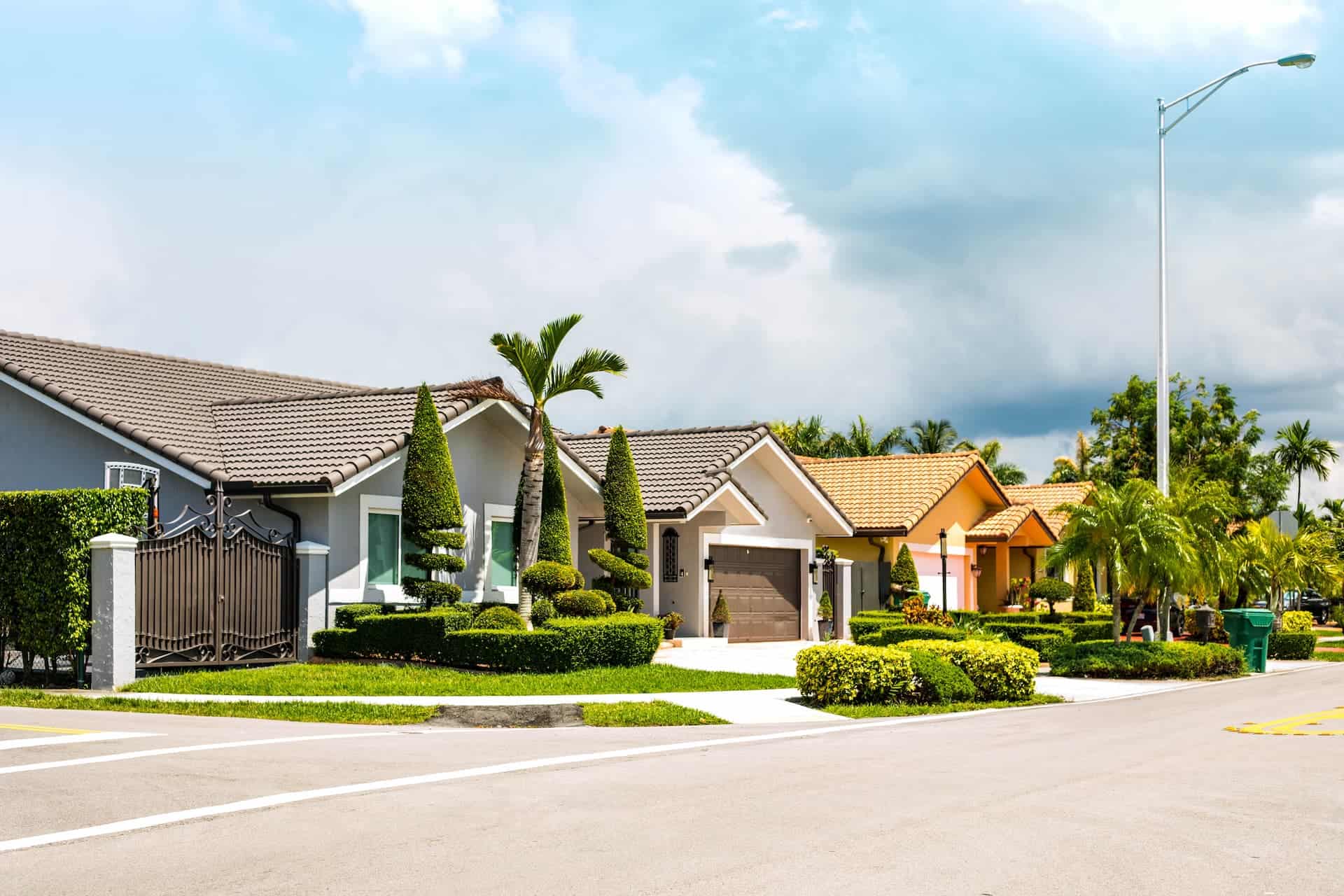
How Long Does a Tile Roof Last in Florida? The Real Lifespan Explained
In Florida, tile roof systems often last 25–50 years, depending on climate exposure, installation quality, and maintenance.
Clay tiles can potentially last much longer, but underlayment, flashing, and fasteners may need repair or replacement earlier especially after hurricanes and severe storms.
Tile roofs are popular in Florida because they handle sun, humidity, and storms better than many materials. But “tile roof lifespan” can be confusing because a tile roof is not just the tile you also have underlayment, flashing, fasteners, and ventilation working together as a system.
Signs you need tile roof repair
- Cracked/broken tiles (especially after storms)
- Slipped tiles or exposed underlayment
- Repeated leaks or ceiling stains
- Rusted flashing
- Sagging decking (urgent)
What affects tile roof lifespan in Florida?
There are several factors that determine such as climate, quality of roof, installation method which will determine how long your tile roof will last. We’ll discuss the factors that affect roof longevity in Florida specifically, but we’ll make sure to cover other factors as well.
| Factor | Description | Impact on Roof Lifespan | Recommendation |
|---|---|---|---|
| Florida Climate | Hot temperatures (88–91°F), high humidity, frequent rain, strong winds, and hurricanes | Heat, humidity, and storms can crack or dislodge tiles, shortening lifespan | Regular inspections after storms; repair damaged tiles quickly |
| Quality of Roof Materials | Tile roofs are made from clay or concrete; some tiles are higher quality than others | Poor-quality tiles can chip, absorb moisture, or degrade faster | Choose high-quality, properly manufactured tiles |
| Installation Methods | Lifespan can reach 50+ years with proper installation | Poor installation can cut lifespan in half | Use experienced, reputable roofing contractors |
| Insulation and Ventilation | Poor airflow and temperature control cause moisture buildup and mold | Shortens lifespan due to hidden water damage | Ensure proper attic ventilation and insulation |
| Maintenance Routine | Regular roof inspections and upkeep are essential | Neglect leads to small issues becoming costly damage | Schedule routine inspections, especially after storms |
| Protective Coating | Coatings protect tiles from UV rays and weather damage | Extends tile durability and resists surface wear | Apply professional-grade tile coating as recommended by an expert |
Not All Tile Roofs Are the Same

Did you know there are different types of tile roofs? Each type has its own pros and cons and different life expectancies.
How Long Does a Concrete Tile Roof Last in Florida?
Concrete tile roofs are durable enough to last at least 30 to 50 years as long as they're properly installed and maintained and do not sustain any physical damage. These tile roofs come from a mixture of cement, sand, and water. You can also get them in diverse tile shapes like flat-shaped, low profile, or high profile tiles.
One downside with concrete tile roofs is their high water absorption rate. That means they absorb more water from storms and hurricanes when compared to clay tile roofs. As a result, they become more prone to mold growth and stains. They also become heavier when wet, so you'll need a robust structural reinforcement to keep them intact.
Another downside with concrete tiles is that a white residue called efflorescence can appear on the surface. This can happen with any product containing concrete. Efflorescence is caused by the moisture in the concrete moving to the surface, carrying calcium salts that react with the CO2 in the air and form insoluble calcium carbonate.
How Long Does a Clay Tile Roof Last in Florida?
Clay tile roofs have a longer life expectancy than concrete. With proper installation and maintenance, they can reach up to 100 years in theory. This roofing material comes from molded clay and exhibits diverse color palettes from white to yellow to brown.
Compared to concrete tile roofs, clay tile roofs have lower water absorption rates, allowing them to better withstand hurricanes and storms. Their colors also don't fade off and can keep your home's natural aesthetic for a long time.
The only unfortunate thing about this roofing material is that they cost much more than concrete tile roofs.
FAQs
- How long does a tile roof last in Florida?
Your site notes an average of 25–50 years, depending on conditions. - Can tile roofs last 100 years?
Clay tile can potentially reach very long lifespans in theory, but underlayment and components may need work earlier. - What fails first on a tile roof?
Often underlayment, flashing, or fasteners not the tile itself. - Do hurricanes shorten tile roof life?
Yes tiles can crack/dislodge during hurricanes. - Is concrete tile worse than clay in Florida?
Concrete absorbs more water and may show staining/mold more easily. - How often should tile roofs be inspected?
Regular inspections are recommended, especially after storms, to catch small issues early. - Can I replace underlayment without replacing tiles?
Often yes, depending on tile condition and roof design. - What’s the fastest way to know my tile roof’s remaining life?
Inspection of tile condition + underlayment + flashing and storm damage indicators. - How do you replace a roof tile?
The process of tile roof replacement : Schedule free tile roof inspection-> Get detailed inspection report -> File claim -> RoofClaim roofer will install the new roof -> Final walkthrough -> Satisfied Homeowner.
Work With the Best Roofers in Florida
If you want your tile roof to last as long as possible, it comes down to three things:
- Choose quality materials
- Hire the best roofers
- Establish a consistent maintenance routine
With RoofClaim, the first two are guaranteed and we can even help with #3 by providing regular inspections. Get started today with a free inspection.