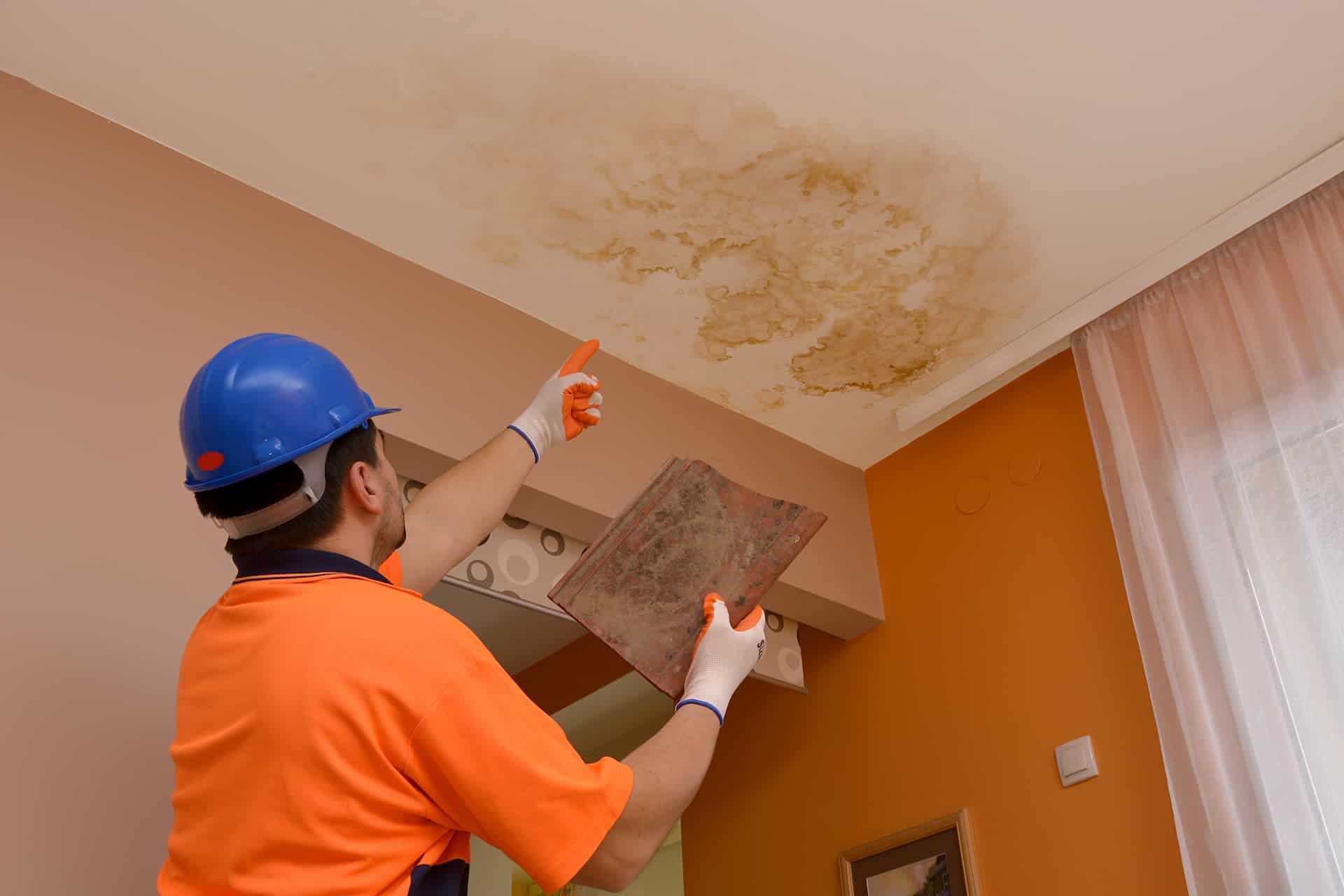
How to Repair Shingle Roof Leak
A shingle roof leak occurs when roofing materials such as shingles, flashing, or underlayment become damaged or worn. Repairing a shingle roof leak effectively involves identifying the source of the leak, replacing damaged shingles, sealing flashing areas, and ensuring proper drainage. To successfully repair shingle roof leak issues, it is crucial to act quickly.
To effectively repair shingle roof leak concerns, it's important to follow a thorough inspection process and address any vulnerabilities promptly.
Shingle Roof leaks are one of the most common problems homeowners experience. A leaking roof can cause water damage, mold growth, and structural issues if not addressed quickly.
Understanding how to repair shingle roof leak problems is essential for maintaining the integrity of your home.
Shingle roof leaks often occur due to weather damage, aging roofing materials, or improper installation. Understanding the causes of roof leaks and how they are repaired helps homeowners take action before the damage becomes severe.
Being proactive about how to repair shingle roof leak problems can save homeowners time and money.
Common Causes of Shingle Roof Leaks
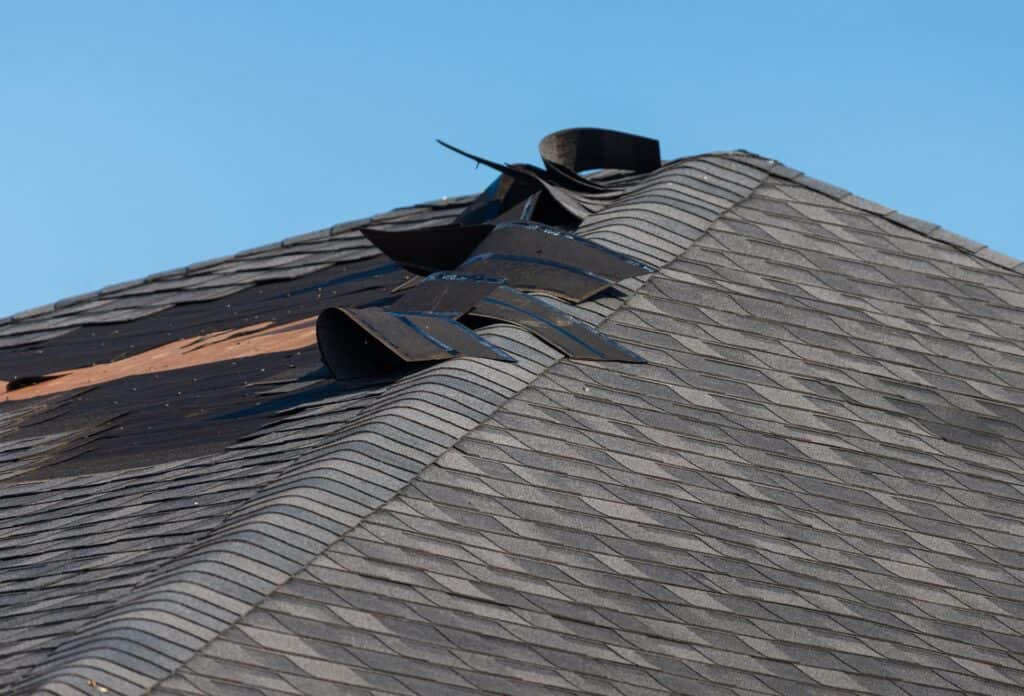
Damaged or Missing Shingles
High winds and severe storms can lift or remove shingles from the roof surface. When shingles are damaged or missing, the underlying layers of the roof become exposed to rain and moisture.
Flashing Failures
Flashing is installed around roof penetrations such as chimneys, skylights, and vents. When flashing becomes cracked, loose, or improperly sealed, water can seep into the roof structure.
Clogged Gutters
Gutters are designed to direct water away from the roof. When gutters become blocked with leaves or debris, water can accumulate on the roof and eventually leak into the home.
Aging Roofing Materials
Roofing materials naturally deteriorate over time due to exposure to sunlight, temperature changes, and moisture. Older roofs are more likely to develop leaks.
How to Find a Roof Leak
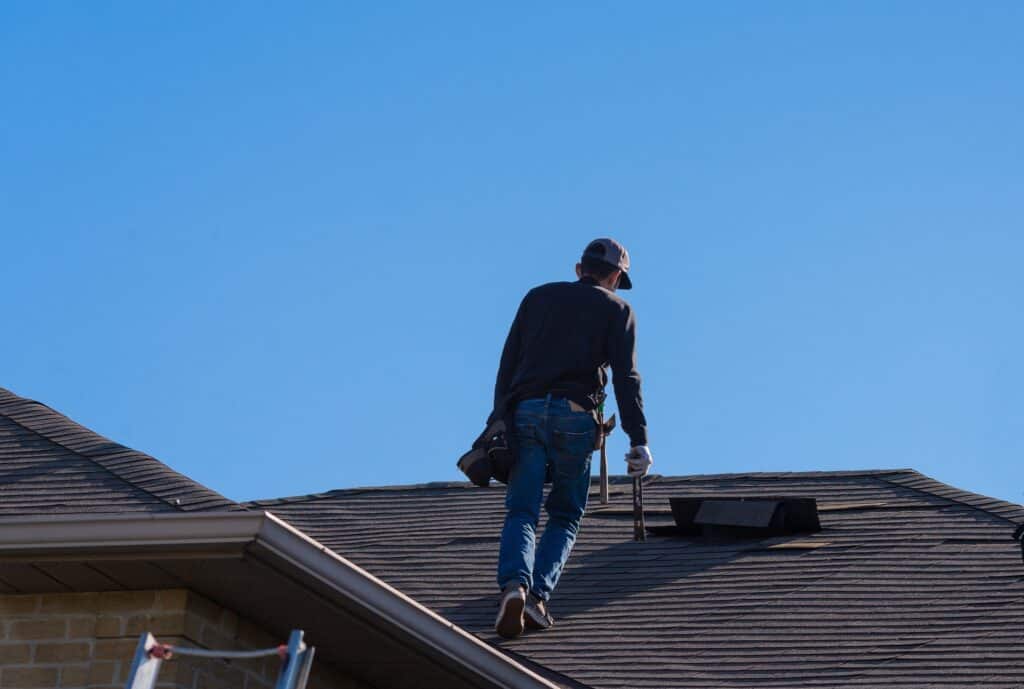
Locating the source of the roof leak is the first step to repairing it. While you can follow the steps below to try and find the leak yourself, this is not required. RoofClaim offers free roof inspections, so you’re free to put the problem in the hands of our professional inspectors at no cost to you.
Every homeowner should know the steps to repair shingle roof leak damages to maintain their home's integrity.
Look for Dripping Water During Heavy Rains
When you live in a rainy area, the easiest way to find a roof leak is by looking at your ceiling during a heavy rain. If you see water dripping from your ceiling, that’s the obvious source of your leak.
Check Your Attic
If you’ve observed water leakage on your ceilings or walls, but want to better hone in on the source of the leak, you can try checking in your attic. The most common visible markings in your attic are water stains, wood rot, black marks, mold, or wet insulation.
Note: Only go in your attic if you are comfortable doing so and are knowledgeable about how attics are constructed. If you aren’t sure how to navigate an attic safely, do not go in your attic. Schedule a free roof inspection instead.
Observe Your Roof's Exterior
Another way to check for roof leaks is by inspecting its exterior. Stand a few meters away from your home and look for visible damage or issues. Look for curled, cracked, and broken shingles, valleys, and flashings. You can also check for rotted or discolored patches on your roof.
Note: It’s never advisable for you to go up onto your roof yourself. Always get a professional to perform your roof inspection. Not only is it safer, it’s better to have a professional third party identify and document your roof leak for insurance purposes.
Understanding how to repair shingle roof leak can empower homeowners to take action when needed.
How to Repair Shingle Roof Leak Effectively
Step 1: Locate the Source of the Leak
Identifying the exact location of a roof leak is essential for proper repair.
Signs of a roof leak include:
- water stains on ceilings
- damp insulation in the attic
- mold growth
- dripping water during rainstorms
Step 2: Replace Damaged Shingles
Once the leak source is identified, damaged shingles should be removed and replaced with new roofing materials.
This restores the protective outer layer of the roof.
Step 3: Repair Flashing and Sealants
If flashing is damaged, it should be resealed or replaced to prevent further water intrusion.
Taking immediate action to repair shingle roof leak issues can prevent extensive damage and costly repairs down the line.
Step 4: Inspect Roof Decking
If water has penetrated deeper layers of the roof, the roof decking may need inspection or replacement.
By following the right techniques to repair shingle roof leak, you can prevent further damage and enhance your roof's durability.
Repairing Cupped Shingles
Cupped shingles are a common reason for roof leaks that can occur over time. Since it's inevitable for shingles to wear, the best way to fix leaks is to repair them. Here’s how it’s done:
- Lift Cupped Shingle - Contractors will go up on your roof and physically lift the cupped shingle.
- Sweep Debris Away - After lifting the cupped shingles, the contractor will sweep away loose debris that has gotten into your roof's seams.
- Place Roofing Cement - Once all the loose debris is gone, the contractor will place a layer of roofing cement below the shingle.
- Press Shingle Firmly - The contractor will then press the shingle back down and secure it in place until the cement dries. They may add additional roofing granules to finish the repair as well.
While this is a common roof leak repair that seems simple and easy to DIY, it’s never advisable to do this repair on your own unless you happen to be a roofing contractor. Schedule a roof repair so you can get this taken care of quickly and safely.

Can You Patch The Leak Yourself?
It is possible to patch a shingle roof leak on your own, but it is generally recommended to have a professional roofing contractor perform the repair. This is because improperly repairing a leaky shingle roof can cause more damage, and it can be difficult for an inexperienced person to identify the source of the leak and properly fix it.
If you do decide to patch a shingle roof leak on your own, here are some steps you can take:
- Locate the leak: Before you can fix the leak, you need to find out where it is coming from. Look for water stains on the ceiling or walls, and try to trace the water back to the source.
- Remove damaged shingles: Once you have located the leak, you may need to remove some of the shingles around it to access the damaged area. Use a pry bar to lift the shingles, being careful not to damage them further.
- Apply roofing cement: Apply roofing cement to the damaged area using a putty knife or trowel. Be sure to cover the entire area and press the shingles back into place.
- Replace damaged shingles: If the shingles are damaged beyond repair, you may need to replace them. Carefully remove the damaged shingles and replace them with new ones.
- Seal the area: Apply more roofing cement around the repaired area to seal it and prevent future leaks.
It is important to note that patching a shingle roof leak on your own is not recommended if the roof is steep or if you are not comfortable working on a roof.
When to Call a Professional Roofing Contractor
Although some minor roof repairs may appear simple, professional roofing inspections are recommended when:
- multiple leaks are present
- the roof is older than 20 years
- storm damage has occurred
- structural damage is suspected
How Insurance Handles Roof Leaks
Insurance policies usually cover the costs for roof leaks as long as the cause of the leak is the result of a covered claim.
Most insurance companies consider roof leakages caused by hail, falling objects, vehicles, and electrical and water surges a valid reason.
On the other hand, insurance companies won't consider your roof leak valid if the damages were caused by gross negligence on your end. They also don't cover natural disasters like floods and earthquakes unless you have a special rider.
Before you contact your insurance company or file an insurance claim, it’s best to have your roof professionally inspected. This can ensure you get a more favorable outcome.
Looking for a Local Roofer?
If you notice signs of a roof leak, the safest solution is a professional inspection.
RoofClaim roofing specialists can identify the source of the leak and recommend the best repair solution.
Schedule a Free Roof Inspection Today
Roof leakages can be a frustrating problem for every homeowner. At RoofClaim, we will guide you from start to finish. We have expert roofing contractors who have years of experience in roof leak repair, emergency roof repair, and roof replacement.
FAQs
What causes shingle roof leaks?
Shingle roof leaks can be caused by several factors, including:
Damaged or Missing Shingles: Weather, age, and physical damage can lead to missing or broken shingles, allowing water to seep in.
Improper Installation: Poor installation practices can create gaps or vulnerabilities where water can enter.
Flashing Issues: Damaged or improperly installed flashing around chimneys, vents, and valleys can lead to leaks.
Roof Age: Older roofs may have weakened materials that are more susceptible to leaks.
Debris Buildup: Leaves, branches, and other debris can trap moisture and cause deterioration.
Ice Dams: In colder climates, ice dams can form at the roof edge, preventing proper drainage and causing leaks.
Underlayment Failure: If the underlayment is damaged or deteriorates, it can compromise the roof's waterproof barrier.
Ventilation Problems: Poor ventilation can lead to heat buildup, causing shingles to warp and crack.
Regular inspections and maintenance can help prevent these issues.
How do I know if my roof leak is serious?
Water stains, mold growth, and dripping water are signs that the leak should be inspected immediately.
Can roof leaks be repaired without replacing the roof?
Yes. Minor leaks can often be repaired by replacing shingles or repairing flashing.
How much does roof leak repair cost?
Repair costs vary depending on the extent of damage and the materials required.
Can roof leaks cause structural damage?
Yes. Persistent leaks can weaken roof decking and cause interior damage.
How quickly should roof leaks be repaired?
Roof leaks should be repaired as soon as possible to prevent additional damage.
Do roof inspections help detect leaks early?
Yes. Professional roof inspections can identify potential leaks before they become serious problems.
Our team specializes in identifying the exact sources of leaks and providing effective solutions to repair shingle roof leak problems.
Ensure you know when to call a professional for help in repairing shingle roof leak issues to maintain your home's safety and integrity.
For any signs of trouble, don't hesitate to reach out to experts who can assist with how to repair shingle roof leak effectively.