Top 7 Eco-Friendly Roofing Options and Positive Impact of Green Roof Benefits for Commercial Buildings
If you're thinking of replacing the roof of your commercial building with a greener option, you might think that choosing to go eco-friendly roofing option would give you limited options, but that isn't the case. There are plenty of ways to get a great looking and reliable roof replacement while still looking out for the environment. Let the experts at RoofClaim walk you through your options, then let us match you with a skilled contractor who can get the job done.
Top benefits of eco-friendly roofing
1) Lower cooling demand (especially with cool roofs): Reflective surfaces can reduce solar heat gain and help the building stay cooler.
2) Longer roof lifespan and fewer tear-offs: Durable systems (metal, quality membranes, coatings) can reduce replacement frequency.
3) Lower environmental impact: Materials with recycled content and systems that reduce energy consumption improve sustainability outcomes.
4) Improved building comfort and performance: Better thermal performance can stabilize indoor temps and reduce HVAC strain.
How to choose the right eco-friendly roof
Ask these 5 questions:
- What’s my climate and building usage?
- Do I need reflectivity or durability first?
- Is restoration possible, or is replacement necessary?
- What maintenance plan will I follow?
- What warranties apply?
Schedule a Free Roof Inspection
Best Eco-Friendly Roofing Options:
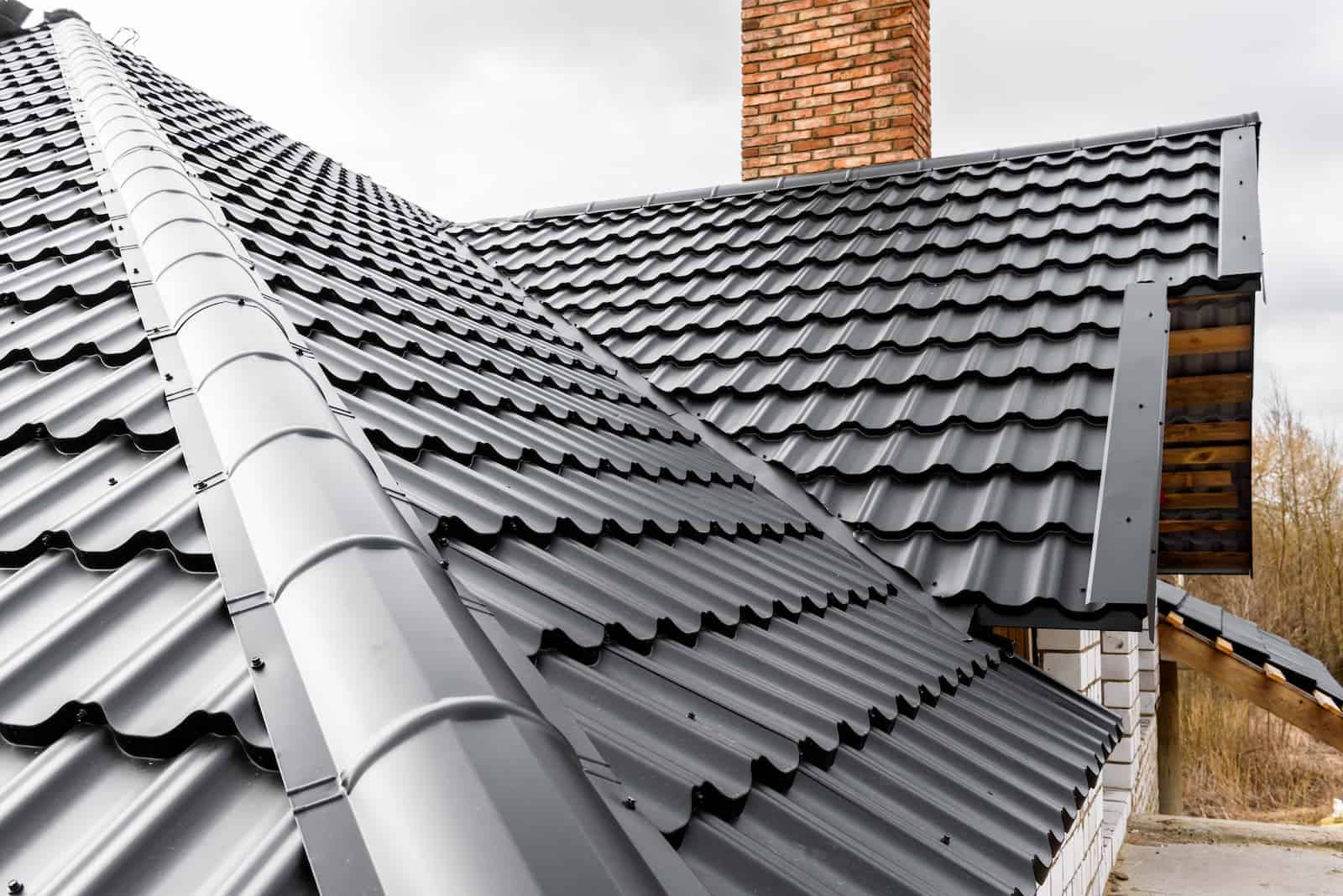
1: Metal Roofs (high durability + recyclability): One popular choice for an eco-friendly roofing option is metal. From aluminum to zinc, metal makes a great choice for green roof construction. Metals roofs are made primarily from recycled materials and can even be repurposed later on down the line. The inherent strength of metal also makes for a durable and reliable roof replacement that can last up to 60 years.
The reflective surface of a metal roof also helps keep a building cool by diverting sunlight off of the building. This can help further your eco-friendly efforts by cutting down on energy costs.
Best for: durability + long-term value
Watch for: insulation/underlayment details to prevent condensation
2: Cool Roofs(reflective systems): "Cool" roofs are another go-to option for installing a green roof. The benefits come from their design: Cool roofs are made with materials that reflect more light, keeping solar heat away from the inside of the building. This helps keep the interior cool and allows for less dependence on air conditioning and electricity.
When you're considering this type of green roof, installation cost should be considered. On average, the cost may range from $0.75 to $3 per square foot. Those numbers may not seem substantial on their own, but for a 1,500-square-foot roof, the cost after factoring in labor could add up to nearly $6,500.
Best for: hot climates, energy efficiency
Watch for: roof slope/drainage and product selection
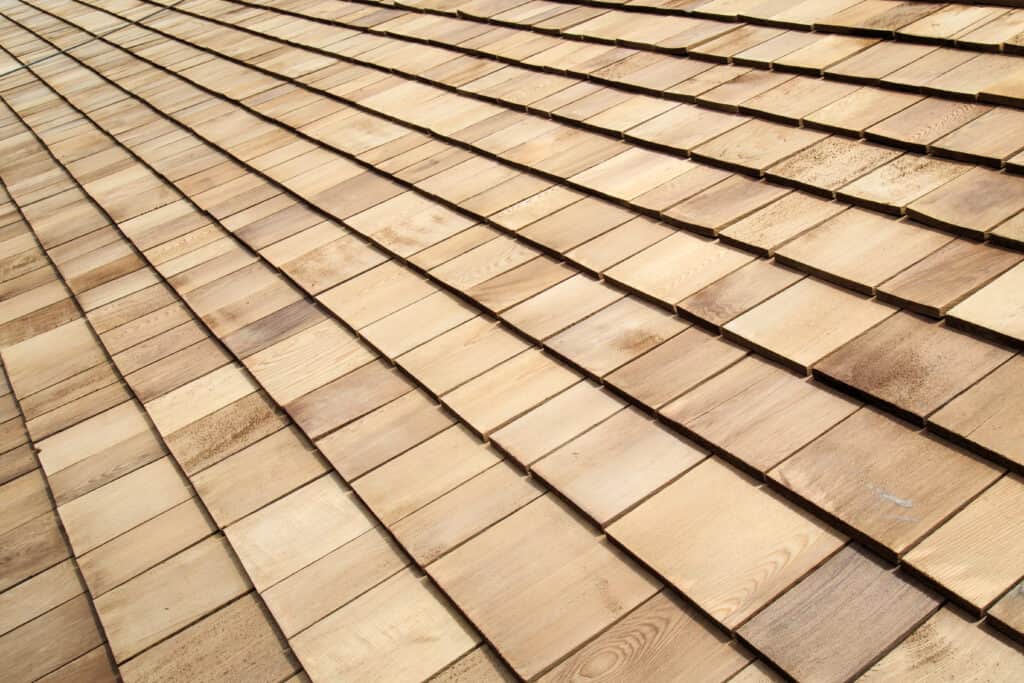
3: Wood Shingles: While wood shingles are nothing new in the world of roofing, this doesn't mean they aren't a great choice for a green roof. Companies and homeowners alike can be more environmentally conscious by choosing to go with green roof shingles made from wood.
What makes wood shingles so eco-friendly is their ability to be constructed from reclaimed or recycled wood that can even be reused after the roof has lived out its useful life. A roof replacement with wood shingles will generally last 15 to 20 years.
4: Solar Roofs(panels or solar tiles): Solar roofs are a relatively new option offered by green roof companies. There are a couple of different ways to approach a solar roofing project. One method is to have solar panels placed on your current roof, and another is to use solar tiles to construct an entirely new one. Both options help cut back on energy costs by converting sunlight into a usable form of electricity for your home.
The downside to a solar roof is the installation cost. When choosing to install solar panels on your roof, you can expect to pay somewhere between $16,000 and $31,000.
Best for: long-term energy strategy
Watch for: roof condition before solar install (inspect first)
5: Clay Tiles: A common roofing option in areas with a desert-like climate is clay tiles. Clay tiles are 100% recyclable, and choosing them for your green roof benefits you in other ways as well. Due to their design, clay tiles work as a great insulator, which can help lower your electric bill.
6: Living Roofs
When it comes to choosing green roof systems, commercial buildings can't go much more green than living roofs. Where normally, a roof would consist of tiles or shingles, a living roof instead transforms the space into a garden. Apart from the unique aesthetic appeal, living roofs provide plenty of other eco-friendly benefits. A big one is that a living roof actually has the capability of improving the air quality of the surrounding area.
Living roofs aren't without a couple of downsides, however. The initial cost can be on the high side for a roof installation. Also, you'll need to think about the strength of your roof, as the soil and water will put a lot more weight onto the structure. And you'll need to factor in the cost of planting and maintaining the garden itself.
7: Blue Roofs
They are called "blue roofs" because they focus on managing the water or "blue" part of the environment. Blue roofs are typically flat or low-sloped roofs that are modified with various features to store, slow, and treat stormwater. These features may include:
- Detention basins or tanks to temporarily store water during heavy rainfall events.
- Perforated or porous pavement to allow water to soak through and be stored in a drainage layer below the pavement.
- Green roofs or vegetation to absorb and evaporate rainwater.
- Rain gardens or bioswales to slow and filter runoff.
- Irrigation systems to water the vegetation and reduce runoff.
The goal of blue roofs is to reduce the volume and rate of stormwater runoff, which can help prevent flooding and reduce the load on stormwater management systems. Blue roofs can also improve water quality by removing pollutants and contaminants from the runoff before it enters waterways.
FAQs
1.What are the benefits of eco-friendly roofing?
Eco-friendly roofing can reduce heat gain, lower energy use, and extend roof life when materials and installation match the building and climate.
2. Are cool roofs worth it?
Cool roofs can be especially valuable in hot climates where reducing heat absorption lowers cooling demand.
3. Is metal roofing considered eco-friendly?
Yes metal roofs often use recycled content and can be recyclable at end of life.
4. Can I make my roof “greener” without replacing it?
Sometimes. Roof coatings or insulation improvements may extend roof life if the system is still suitable.
5. Does eco-friendly roofing cost more?
Some systems cost more upfront, but the ROI can improve through energy savings and longer service life.
6. What’s the best eco roof for commercial buildings?
It depends on climate and budget. Common choices include cool roofs, metal, and high-performance membranes.
7. Does solar roofing require a new roof first?
Not always, but solar installs should start with an inspection to ensure the roof can support the system.
8. How long do eco-friendly roofs last?
Lifespan varies widely by material, installation quality, and maintenance.
9. Will an eco-friendly roof improve indoor comfort?
It can especially when paired with insulation and ventilation upgrades.
10. How do I choose the right option?
Start with an inspection and match the solution to your roof condition, climate, and goals.
The Bottom Line: Make Your Project Easier With RoofClaim, whatever option you're thinking of going with for your new green roof, RoofClaim can help to make your project go as smoothly as possible.
Our drone-powered inspections can deliver a full evaluation of your roofing requirements with maximum convenience: You won't need to talk to a sales rep or even be home at the time. Then, we'll use our sophisticated AI solutions and years of experience to match you with an eco-roof service in our nationwide network that's right for the job.
We work with fully licensed professionals across the country who have experience with a wide variety of roof materials, so you'll get a contractor you can count on to do the job right.